Code violations · All of Florida
Selling a Florida house with code violations? We buy it with the case open.
Cash, as-is. Open code cases and fines priced into one written offer.
- BBB Accredited, A+
- Office in Aventura
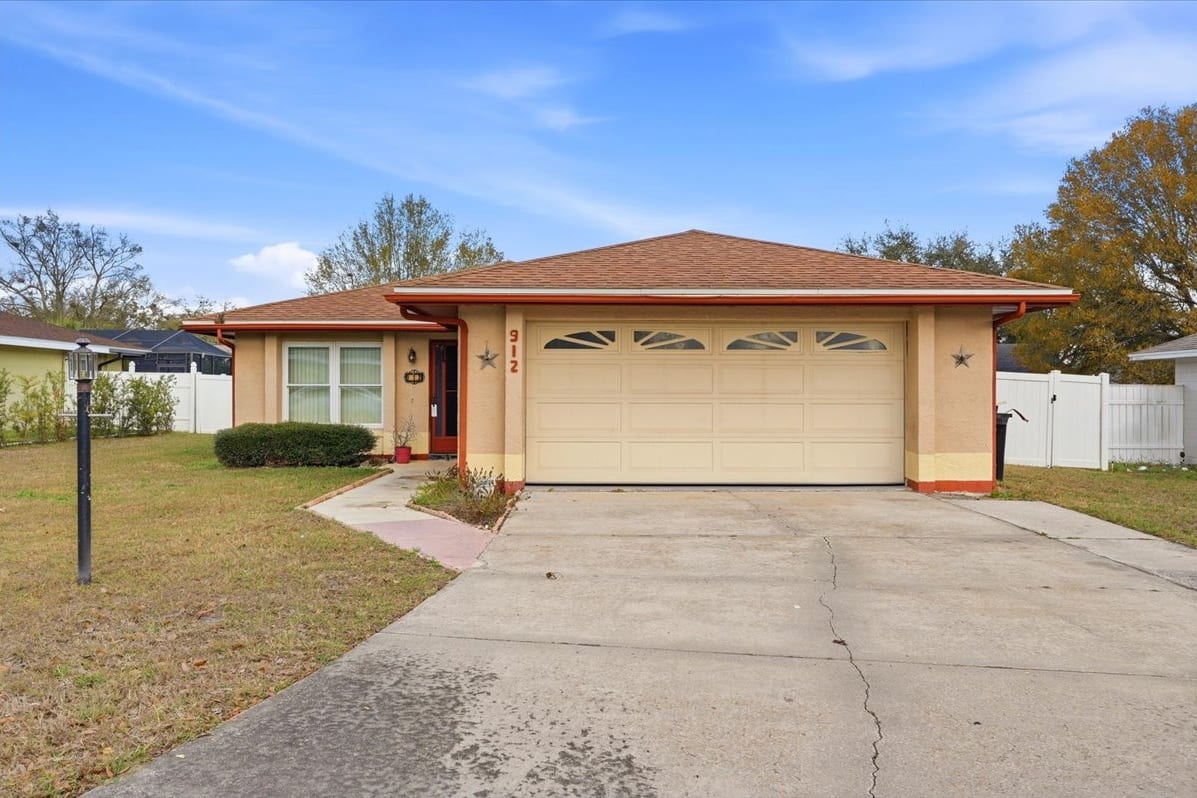
We buy homes with
- Open code case
- Daily fines adding up
- Unpermitted additions
- Overgrown yard or pool
- Roof or structure citation
- Fine already recorded as a lien
Reviewed by Meir Tenenbaum, PartnerUpdated Source: Florida Statutes § 162.06 (selling a property with a pending code case)
Florida law
How code enforcement works in Florida, and what it means for a sale.
Florida cities and counties enforce their codes through a code enforcement board or a special magistrate under chapter 162 of the Florida Statutes. Here is how a case moves, and what changes when the house is sold.
Selling while a case is pending
If you sell between the time the code case is served on you and the hearing, the statute requires you to (§ 162.06(5)):
- Tell the buyer in writing that the proceeding exists and what it is about.
- Give the buyer copies of the pleadings, notices and other papers you received in the case.
- Tell the buyer in writing that the new owner will be responsible for complying with the code and with orders in the case.
- File a notice of the transfer with the code enforcement official within 5 days after the sale, with the new owner's name and address and copies of the disclosures.
Skipping the disclosures creates a rebuttable presumption of fraud. The case is not dismissed because the house was sold; the new owner gets a reasonable period to correct the violation.
How fines grow
Once the board sets a compliance date, it can fine the owner for each day the violation continues past it. The cap is $250 a day for a first violation and $500 a day for a repeat one, plus the cost of any repairs the local government makes (§ 162.09). A county or city with 50,000 or more people can adopt higher limits, up to $1,000 a day for a first violation and $5,000 a day for a repeat. The board can also reduce a fine.
When a fine becomes a lien
A certified copy of the order imposing the fine can be recorded in the county's public records, and it then becomes a lien on the land where the violation exists and on other real or personal property the violator owns. After 3 months unpaid, the board can authorize the local government's attorney to foreclose the lien or sue for a money judgment. A code lien cannot be foreclosed on property that is a homestead under the Florida Constitution (§ 162.09(3)).
At closing
A recorded code lien shows up in the title search and is paid from the proceeds like any other lien; see selling with liens. Many local governments will consider reducing a large fine, usually after the violation is corrected, so it is worth asking before you pay the full amount.
General information, not legal advice. Your attorney can tell you whether a fine has become a lien and whether a reduction is worth asking for.
How it works
Selling a house with code violations to us, in three steps.
Tell us about the case
The address and what the city or county cited. If you have the notice of violation or a fine order, send it; if not, the case number is enough to start.
One walkthrough
We see the house in person or by video and price the work it takes to bring it into compliance, so you do not fix it first.
A written offer, then the closing
One cash number in writing, with the code disclosures the statute requires. The Florida title company pays any recorded code lien from the sale and sends you the rest.
Notice of transfer to the code enforcement official
Within 5 days after the sale (§ 162.06(5))
The statute requires the seller to file a notice of the transfer, with the new owner's name and address and copies of the disclosures. We prepare the disclosures with the title company.
We take on the fix. After closing, bringing the house into compliance is our job: the permits, the contractors and the re-inspection. You make the disclosures; we handle the rest.
Your options
Selling to us, or listing it with an agent.
A retail buyer and their lender often balk at an open code case or a recorded lien. Here is how the two paths compare.
Open code case
AHB: We buy with it open and take on compliance
Listing: Many buyers and lenders want it closed first
Repairs
AHB: None. Priced into the offer
Listing: Usually fixed and re-inspected before closing
Fees and closing costs
AHB: $0. No commissions, and we pay closing costs
Listing: About 6% commission, plus the seller's closing costs
Daily fines
AHB: Stop growing on you once we own it
Listing: Keep accruing while the house is on the market
Certainty
AHB: Written cash offer, no buyer loan to fall through
Listing: Depends on the buyer's financing, appraisal and inspection
Case study
A rundown Miami home bought as it was.
SW 82nd Circle Ln, MiamiViolations
The situation
The home Michael inherited was rundown and needed work, and it sat in a long HOA approval process with active litigation.
What we handled
- Purchased it completely as-is, with no repairs required
- Covered 100% of his closing costs
- Kept the deal moving through the approval process
How it ended
Michael closed with money in hand and moved to Orlando to start fresh.
Questions
What sellers ask us first.
Can I sell a house with code violations in Florida?
Yes. If a code case is pending when you sell, Florida Statutes § 162.06(5) requires you to disclose it to the buyer in writing, hand over the notices, tell the buyer they will be responsible for compliance, and notify the code official within 5 days after the sale.
What happens to code enforcement fines when the house is sold?
A fine order recorded in the public records is a lien on the property (§ 162.09) and is paid from the sale at closing. A pending case is not dismissed by the sale; the new owner becomes responsible for correcting the violation.
How big can code fines get?
Up to $250 a day for a first violation and $500 a day for a repeat violation, plus repair costs the local government incurs. Counties and cities of 50,000 or more people can adopt limits up to $1,000 and $5,000 a day (§ 162.09).
Can a city foreclose on my house over a code lien?
Possibly, but never on a homestead. After a lien has been unpaid for 3 months, the board can authorize a foreclosure or a suit for a money judgment, but a code lien cannot be foreclosed on property that is a homestead under the Florida Constitution (§ 162.09(3)).
Can code fines be reduced?
Yes. The enforcement board may reduce a fine it imposed (§ 162.09). Local governments set their own process for asking, often after the violation is corrected.
More questions (5)
Do I have to fix code violations before I sell?
No. You can sell as-is, and we price the work into the offer. If a case is pending, you must disclose it in writing and notify the code official within 5 days after the sale (Florida Statutes § 162.06(5)).
What happens if I do not disclose a pending code case?
Skipping the disclosures creates a rebuttable presumption of fraud under Florida Statutes § 162.06. The statute lists four steps: tell the buyer in writing, hand over the papers, state that the buyer is responsible, and notify the code official.
Does the buyer get time to fix the violation?
Yes. The case is not dismissed when the house is sold, but the new owner gets a reasonable period to correct the violation (Florida Statutes § 162.06). Ask the local code office what period applies.
Can I sell if daily code fines are still adding up?
Yes. Once the board sets a compliance date, it can fine the owner for each day past it (Florida Statutes § 162.09). A recorded fine order is paid from the proceeds at closing. Ask the local government about a reduction.
Does a code lien attach to my other property?
Yes. A recorded order imposing a fine becomes a lien on the land where the violation exists and on other real or personal property the violator owns (Florida Statutes § 162.09). That is why it is better to pay or resolve it at a sale.
Something else? Call (786) 755-1925. All questions: Situations we buy
Related pages.
- Selling with liensTax, HOA, contractor, judgment and code liens, and how each is paid at closing.
- Selling a vacant houseRegistration where a city requires it, keeping it secured, squatters and taxes.
- How cash offers are calculatedThe formula behind our number, with a worked example.
- How it worksThe steps from first call to closing, and what our offer is based on.
- ReviewsFlorida sellers on camera, plus their Google reviews.
Get an offer that prices in the code case.
No obligation. Nothing to fix before you sell.