Probate · All of Florida
Selling a house in probate in Florida? Yes, and the offer can come first.
Cash, as-is. We work with the personal representative and the estate attorney.
- BBB Accredited, A+
- Office in Aventura
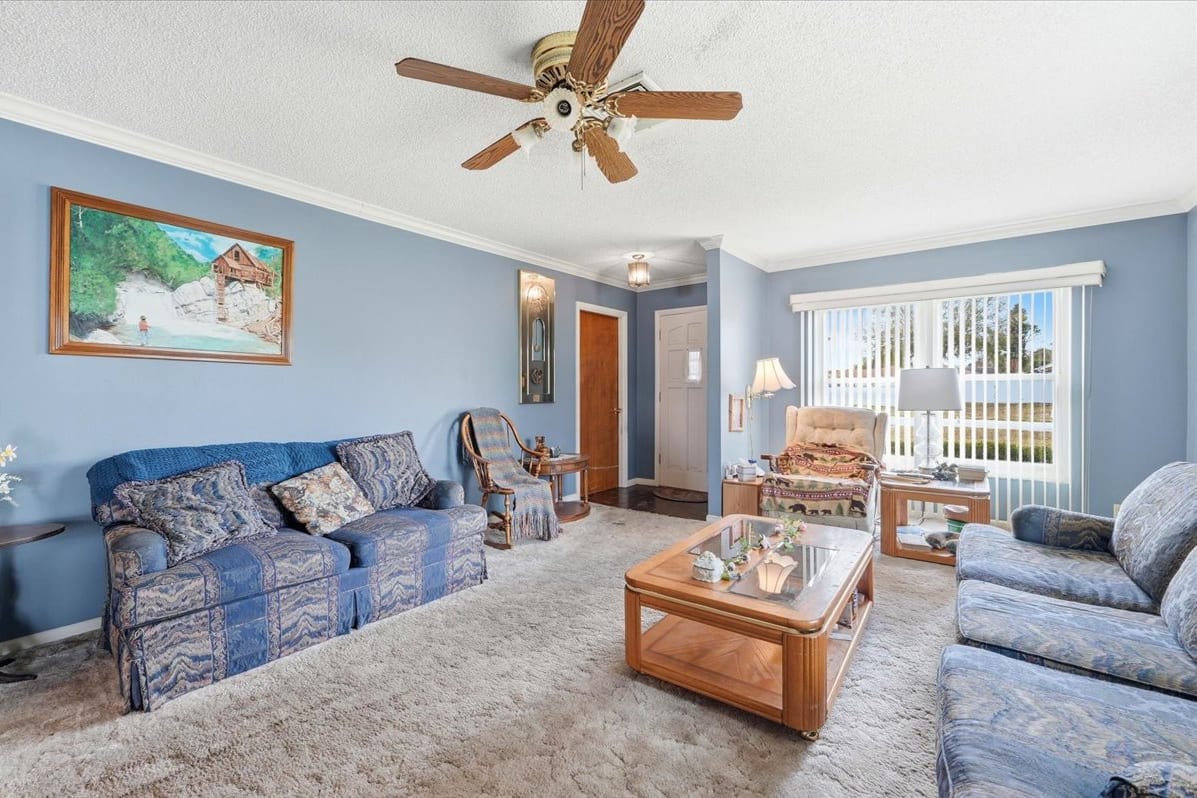
We buy homes with
- Probate just opened
- Personal representative out of state
- Several heirs
- Belongings still inside
- Mortgage or back taxes owed
- Repairs put off
Reviewed by Meir Tenenbaum, PartnerUpdated Source: Florida Statutes § 733.613 (personal representative's right to sell real property)
How it works
Selling a probate house to us, in three steps.
Tell us about the house and the case
Where the house is, who the personal representative is, and whether the case is open. If probate has not started, we can still look at the house so the family knows its options.
One walkthrough
In person or by video, with the personal representative, a family member or the estate attorney. Furniture and belongings can stay where they are.
A written offer, then the closing
One cash number in writing for the personal representative and the attorney; when the court must approve, the signed offer goes with the petition. A Florida title company collects the letters or court order, pays off any mortgage and liens, and sends the rest to the estate.
We work alongside the estate attorney. A probate sale has more signatures and more paperwork than a regular sale. We coordinate with the personal representative and the estate attorney, and handle the title company side so the family does not have to.
Florida law
How a probate sale works in Florida.
Probate is the court process that gives someone legal authority over a person's estate. In Florida it runs through the circuit court in the county where the person lived, and the clerk of court keeps the file. Here is what it means for the house.
Who can sign the deed
Only the personal representative (Florida's word for an executor or administrator) can sell a house that belongs to the estate. Their powers start when the court appoints them (§ 733.601), and the court's letters of administration are their proof. The title company will ask for a certified copy before closing.
When the court has to approve the sale
It depends on the will (§ 733.613):
- The will gives a power to sell. The personal representative can sell without asking the court.
- There is no will, or no usable power of sale. The personal representative can still agree to a sale, but no title passes until the court authorizes or confirms it.
In either kind of sale the buyer takes title clear of claims by the estate's creditors and beneficiaries. Existing mortgages and liens are not affected, so they are paid off from the proceeds at closing.
The creditor period
The personal representative publishes a notice to creditors once a week for 2 consecutive weeks (§ 733.2121). Most creditors then have 3 months from the first publication to file a claim, or 30 days after being served with the notice if that is later (§ 733.702). The estate pays valid claims from its assets.
A home that passes outside the estate
A Florida home that qualifies as protected homestead is not one of the assets the personal representative controls (§ 733.608). It passes to the heirs, and they sign the deed. The title company will usually want a court order determining homestead first.
Smaller and older estates
Summary administration, a shorter court process, is available when the estate subject to administration, minus exempt property, is worth $150,000 or less, or when the person died more than 2 years ago (§ 735.201). The limit rose from $75,000 to $150,000 on July 1, 2026.
General information, not legal advice. Your attorney can confirm who has authority to sign the deed and whether the home counts as protected homestead.
Get ready
What to have ready for a probate sale.
Letters of administration
The court's proof of the personal representative's authority; the title company asks for a certified copy before closing.
The personal representative's name and the estate attorney's contact
Whether the case is open
If probate has not started, we can still look at the house.
The will, to check for a power to sell
It decides whether the court must approve the sale.
A court order determining homestead, if the home passes outside the estate
The title company will usually want one.
Your options
Selling to us, or listing it with an agent.
Preparing a house for the market costs the estate money and months while the bills keep running. Here is how the two paths compare.
Repairs and clean-out
AHB: None. We buy it as it sits, belongings included
Listing: Usually expected before photos and showings
Fees and closing costs
AHB: $0. No commissions, and we pay closing costs
Listing: About 6% commission, plus the seller's closing costs
Carrying costs
AHB: End at closing
Listing: Taxes, insurance, utilities and yard care continue while it is listed
Showings
AHB: One walkthrough
Listing: Weeks of showings, often arranged from out of town
Certainty
AHB: Written cash offer, no buyer loan to fall through
Listing: Depends on the buyer's financing, appraisal and inspection
Questions
What sellers ask us first.
Can you sell a house while it is in probate in Florida?
Yes. Once the court appoints a personal representative, they can sign a sale while the case is open. If the will gives a power of sale, no court order is needed; otherwise the court must authorize or confirm the sale before title passes, under Florida Statutes § 733.613.
Does the court have to approve the sale?
Only when there is no will, or the will does not give a usable power to sell. Then the personal representative asks the court for an order, and the sale closes after it is entered. The estate attorney files the petition; we give them a signed offer to attach.
What happens to the mortgage while the house is in probate?
It stays attached to the house. Florida's 2-year limit on claims against an estate does not affect a recorded mortgage (§ 733.710). Keep the payments current if you can; at closing the title company pays off the balance from the sale.
What if the house was the family homestead?
A home that qualifies as protected homestead passes to the heirs rather than being an estate asset (§ 733.608), so the heirs usually sign the deed instead of the personal representative. The title company will normally ask for a court order determining homestead.
How long does a probate sale take?
It depends on the county court's calendar and on whether a court order is needed. The creditor period alone runs at least 3 months from the first published notice, although a sale made under a power of sale or a court order does not have to wait for it to end. We set the closing around the estate's paperwork.
More questions (4)
Who can sign the deed for a house in probate in Florida?
The court-appointed personal representative. Their authority starts at appointment (Florida Statutes § 733.601), and the title company asks for certified letters of administration as proof. If the house is protected homestead, the heirs sign instead (§ 733.608).
Do I need a probate attorney to sell the house?
Usually, yes. Florida Probate Rule 5.030 requires a personal representative to be represented by a Florida attorney, with a narrow exception when the personal representative is the only interested person. The attorney also files any petition the court needs before the sale.
Can the estate's creditors come after the buyer?
No. In a sale by the personal representative, the buyer takes title clear of claims by the estate's creditors and beneficiaries (Florida Statutes § 733.613). Mortgages and recorded liens are not wiped out; the title company pays them from the proceeds.
What is summary administration, and could it apply to my parent's house?
It is a shorter probate process for smaller or older estates. It is available when the estate subject to administration, minus exempt property, is worth $150,000 or less, or the person died more than 2 years ago (§ 735.201). Ask the estate attorney whether yours qualifies.
Something else? Call (786) 755-1925. All questions: Situations we buy
Related pages.
- Selling an inherited houseGetting authority to sell, homestead rules, heirs who disagree and taxes.
- Selling a house that needs repairsAs-is sales, the disclosures Florida still requires, and how repairs are priced.
- What happens to a house during probateThe house's path through a Florida probate case, step by step.
- How it worksThe steps from first call to closing, and what our offer is based on.
- ReviewsFlorida sellers on camera, plus their Google reviews.
Get a written offer the estate can review.
No obligation. We work with the personal representative and the attorney.